Digestive health is a central part of every cat’s overall wellbeing. Efficient digestion and absorption let your cat get the full nutritional value from meals so they can maintain ideal body condition, energy levels, and a healthy skin and coat. A balanced gut microbiome supports not only digestibility but also immune function and general comfort. In short, your cat’s digestive health influences almost every aspect of their daily life and long-term vitality.
Signs Your Cat May Benefit from Digestive Health Nutrition
Even if your cat enjoys mealtime, their food may not always agree with them. Watch for signs that could indicate digestive distress: loose stools, frequent diarrhea, vomiting, unexplained weight loss, decreased energy, more frequent hairballs, persistent scratching, or a dull coat. These symptoms can point to a need for nutrition that supports digestion and gut balance.
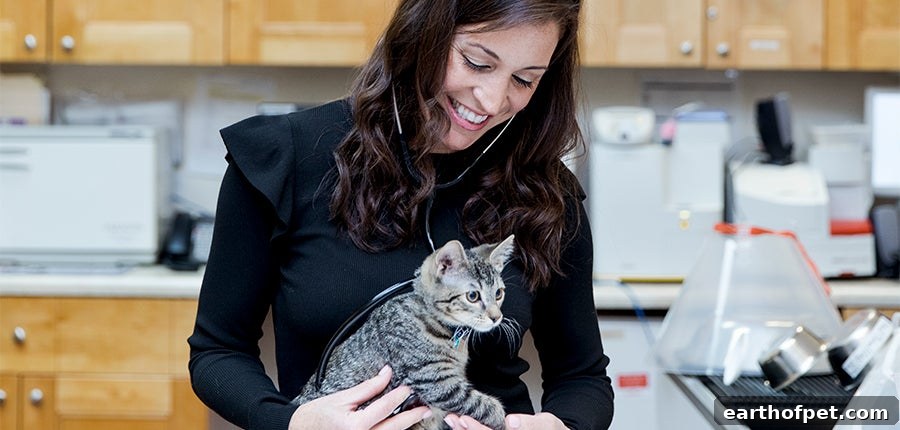
Whenever digestive problems appear, the first step is a veterinary evaluation. A veterinarian can rule out medical conditions that require treatment before changing diet. If your veterinarian clears your cat for a diet-focused approach, choosing a high-quality food designed to support digestive health can make a meaningful difference.
How to Find the Best Cat Food to Support Digestive Health
- Check the ingredient list: Cats are obligate carnivores and thrive on diets rich in animal proteins. Look for fresh meat as the first ingredient and concentrated meat proteins early in the ingredient list.
- Prefer highly digestible formulas: Foods formulated for high digestibility help your cat extract more nutrients from each meal and often result in smaller, firmer stools.
- Choose complete and balanced recipes: A wholesome formula that meets complete and balanced nutrition standards ensures your cat receives essential vitamins, minerals, and amino acids for long-term health.
- Include healthy fats: Guaranteed levels of omega fatty acids support skin and coat health and contribute to overall wellbeing.
- Look for supplements that support gut balance: Well-formulated digestive-support diets often include fiber, prebiotics, and probiotics to maintain a healthy microbiome:
- Dietary fiber helps regulate intestinal transit and supports overall digestive function.
- Prebiotics such as FOS and MOS nourish beneficial gut bacteria, helping maintain a more favorable microbial balance and reducing the likelihood of digestive upsets.
- Probiotics—when included in stable, guaranteed forms like probiotic-enriched kibble—introduce live, beneficial microorganisms that can support microbiome balance and digestive resilience.
Practical Tips for Switching Foods
When transitioning your cat to a new digestive-support formula, do so gradually to minimize upset. Start by mixing a small amount of the new food with the current diet, increasing the new food over 7–10 days while decreasing the old. Monitor your cat’s stools, appetite, and energy during the transition, and consult your veterinarian if any concerns persist. Consistency—both in feeding schedule and in the recipe chosen—can help stabilize digestion over time.
Introducing Wellness CORE Digestive Health
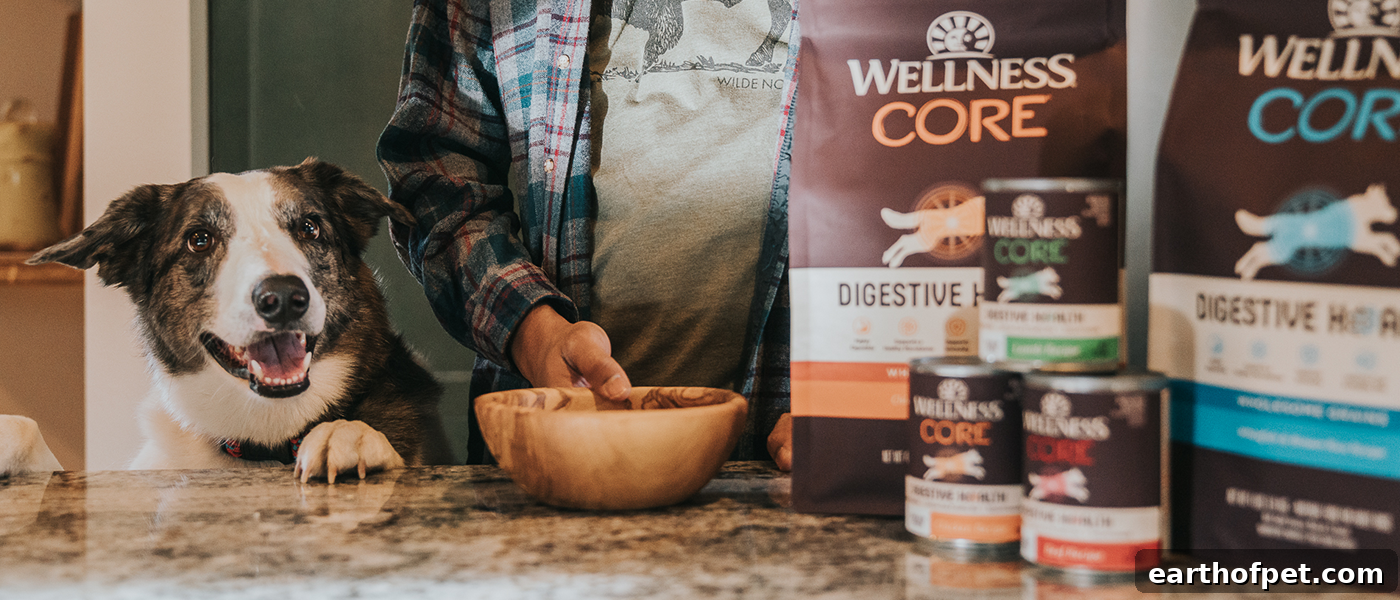
Wellness CORE Digestive Health is formulated to support nutrient absorption and a balanced digestive tract. Designed with highly-digestible ingredients, this line offers both wet meals and dry recipes aimed at promoting inner wellbeing for cats. Each formula emphasizes quality animal protein, digestibility, and targeted supplements to help maintain a healthy microbiome, skin and coat condition, and overall vitality. If your veterinarian recommends a nutrition-first approach to digestive care, a specialized recipe like Wellness CORE Digestive Health may be an appropriate option to consider.
Ultimately, promoting your cat’s digestive health means combining attentive veterinary care, careful diet selection, and consistent feeding practices. With the right nutritional support, many cats experience improved digestion, better nutrient uptake, and a happier, healthier life.