Anxiety affects millions of pets, impacting their quality of life and their families' wellbeing. Anxious pets display behavioral problems—destructiveness, aggression, or excessive vocalization—that frustrate owners. However, anxiety is a treatable condition. Understanding signs, causes, and treatment options helps create relief for suffering pets.
Recognizing Anxiety Signs in Pets
Physical Signs: Trembling or shaking, Excessive panting or drooling, Dilated pupils, Rapid heartbeat (observable as panting), Loss of appetite, Digestive upset (diarrhea, vomiting), and Excessive grooming or hair loss.
Behavioral Signs:
- Excessive barking or vocalization
- Destructive behavior (chewing, scratching, digging)
- Pacing or restlessness
- Inability to settle or relax
- Hiding or seeking constant reassurance
- Aggression (growling, snapping, biting)
- Urinating or defecating indoors despite being housetrained
- Excessive clinginess or separation-related behaviors
- Avoidance of specific situations or triggers
Common Causes of Pet Anxiety
Separation Anxiety: Pets fear being separated from owners. This is particularly common in dogs but can affect cats. Leaving home triggers severe anxiety.
Thunderstorm/Noise Phobia: Loud noises—thunder, fireworks, vacuum cleaners—trigger panic responses in sensitive pets.
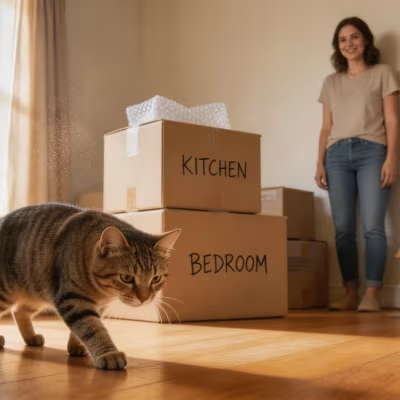
Environmental Changes: Moving to new homes, changes in routines, or new family members can trigger anxiety as pets adjust to changes.
Lack of Socialization: Pets not exposed to various environments, sounds, and people during critical socialization windows become fearful of novel situations.
Medical Issues: Pain, illness, or hormonal imbalances cause anxiety. Addressing underlying medical issues may resolve anxiety.
Genetics: Some animals are naturally more anxious. Genetic predisposition means certain individuals are more prone to anxiety regardless of environment.
Traumatic Experiences: Abuse, injury, or frightening events create lasting anxiety. Rescue animals sometimes have trauma-related anxiety.
Age: Senior pets may develop anxiety as cognitive function declines. Anxiety increases with age in some animals.
Separation Anxiety
Separation anxiety occurs when pets become anxious being away from owners. This differs from normal adjustment to being alone.
Signs:
- Destructive behavior specifically when owners leave
- Excessive barking/howling when alone
- Urination/defecation indoors despite housetaining
- Excessive salivation or drooling
- Escaping or attempting escape when separated
- Following owners obsessively
- Panic when departure cues appear (picking up keys, putting on shoes)
Contributing Factors:
- Lack of early independence training
- Sudden changes in routine or owner absence
- Past abandonment or shelter experience
- Genetic predisposition
- Insufficient exercise or mental stimulation
- Over-attachment to owners
Noise/Thunderstorm Anxiety
Many pets fear loud noises, particularly thunder and fireworks. This phobia creates panic responses.
Signs: Hiding in safe spaces (bathrooms, closets, basements), Panting and shaking, Destructive behavior attempting escape, Excessive vocalization, Loss of appetite, Refusal to go outside, and Anxiety before storms arrive.
Contributing Factors:
- Lack of exposure during socialization
- Negative experiences with loud noises
- Genetic sensitivity
- Weather pattern sensitivity (pets sense pressure changes before storms)
Behavioral Treatment Approaches
Desensitization: Gradual exposure to anxiety triggers at low levels, slowly increasing intensity as pets become comfortable. For example, playing quiet recordings of thunder sounds at very low volume, gradually increasing over time.
Counter-Conditioning: Creating positive associations with triggers. During thunder, providing treats and praise helps pets associate thunder with good things.
Crate Training: Proper crate training creates safe spaces where anxious pets feel protected. Crates provide security and prevent destructive behavior.
Exercise and Mental Stimulation: Tired pets are less anxious. Ensuring adequate exercise and mental engagement reduces baseline anxiety.
Consistent Routines: Predictable daily schedules reduce anxiety. Pets knowing what to expect feel more secure.
Independence Training: Teaching pets to be comfortable alone for increasing periods reduces separation anxiety. Starting with short separations and gradually increasing duration builds confidence.
Professional Training: Certified trainers specializing in anxiety help implement behavior modification programs. Professional guidance improves success rates significantly.
Environmental Management
Safe Spaces: Create calm areas where anxious pets retreat. Quiet rooms with familiar items (beds, toys) provide security.
Noise Reduction: Close windows and curtains during storms. Playing white noise or calming music masks anxiety-triggering sounds.
Pheromone Products: Calming pheromone diffusers (Feliway for cats, Adaptil for dogs) reduce anxiety. These products mimic natural calming pheromones.
Anxiety Wraps: Products like Thundershirts apply gentle, constant pressure providing calming effects similar to swaddling.
Puzzle Toys and Enrichment: Providing engaging activities redirects anxious energy productively.
Avoiding Reassurance: While comforting seems helpful, excessive reassurance sometimes reinforces anxious behavior. Calm, matter-of-fact responses work better.
Medical and Pharmaceutical Interventions
Veterinary Assessment: Rule out medical causes—pain, illness, or hormonal imbalance. Addressing underlying conditions may resolve anxiety.
Anti-Anxiety Medications: Veterinarians may prescribe anti-anxiety medications for short-term use during stressful periods or temporary behavioral training.
Antidepressants: SSRIs (selective serotonin reuptake inhibitors) are sometimes prescribed for chronic anxiety. These take weeks to become effective but provide long-term relief.
Natural Supplements: L-theanine, chamomile, valerian, and other supplements have calming effects for some pets. Discuss options with veterinarians.
Combination Approach: Often, medications combined with behavioral modification work better than either alone. Medication reduces anxiety enough to allow learning, while behavioral work addresses underlying issues.
Creating an Anxiety Treatment Plan
- Veterinary Consultation: Rule out medical causes and discuss medication options
- Identify Specific Triggers: Determine what specifically causes anxiety
- Select Appropriate Interventions: Combine behavioral modification, environmental management, and medications as needed
- Implement Consistently: Behavior change takes time—consistency is crucial
- Monitor Progress: Track improvements and adjust approaches as needed
- Professional Support: Consider trainers or behaviorists for complex anxiety
- Patience and Compassion: Anxiety treatment takes weeks or months—patience is essential
When to Seek Professional Help
Consult Veterinarians When:
- Anxiety is severe or worsening
- You suspect underlying medical causes
- You want medication options
- Behavioral approaches aren't working
Consult Trainers/Behaviorists When:
- You need guidance with behavioral modification
- Anxiety is complex or involves aggression
- Professional expertise would accelerate progress
- You're unsure how to implement training
Managing Anxiety During Acute Triggers
When anxiety triggers occur:
- Remain calm—pets sense human stress
- Provide safe spaces where pets can retreat
- Avoid forcing interaction or comfort
- Use calming aids (wraps, supplements, medications)
- Maintain normal routines despite triggers
- Provide engagement to redirect anxious energy
Long-Term Anxiety Management
Long-term anxiety management involves:
- Maintaining regular exercise and enrichment
- Consistent training and behavior work
- Ongoing medication if prescribed
- Regular veterinary monitoring
- Stress reduction in pets' environments
- Maintaining calm household atmosphere
- Avoiding triggering situations when possible
Prognosis and Recovery
Many anxious pets show significant improvement with appropriate treatment. Some anxiety is manageable long-term with medications and behavioral management. A few cases require ongoing management but don't resolve completely.
Consistency, patience, and professional support significantly improve outcomes. Many pet owners find their anxious pets become confident, relaxed companions with appropriate treatment.
Conclusion
Pet anxiety is treatable with complete approaches addressing both behavioral and medical aspects. By recognizing anxiety signs, identifying triggers, and implementing appropriate interventions, you can significantly improve your anxious pet's quality of life. Whether through behavioral modification, environmental management, or pharmaceutical intervention, most anxious pets experience meaningful improvement. Your commitment to addressing your pet's anxiety demonstrates compassion and improves the lives of both pet and family. Don't hesitate to seek professional guidance—treating anxiety is one of the most rewarding investments you can make in your pet's wellbeing.


0 Comments
No comments yet. Be the first to share your thoughts!
Leave a Comment