Today’s dog food market offers a wide range of formats, flavors, and ingredient styles. Freeze-dried dog food has grown in popularity recently, prompting many pet owners to ask what it is and whether it’s a good choice for their dogs. This article explains what freeze-dried dog food is, how it’s made, the advantages and limitations of feeding it, and practical advice for incorporating it into your dog’s diet.
What is freeze-dried dog food?
Freeze-dried dog food is a method of preserving raw ingredients—often fresh meat, fruits, and vegetables—by removing moisture at very low temperatures. The process yields a shelf-stable product that retains much of the original ingredients’ texture, flavor, and nutrient profile. Technically, many freeze-dried products qualify as raw because the ingredients are not cooked in the conventional sense before packaging.
Why is freeze-dried dog food becoming popular?
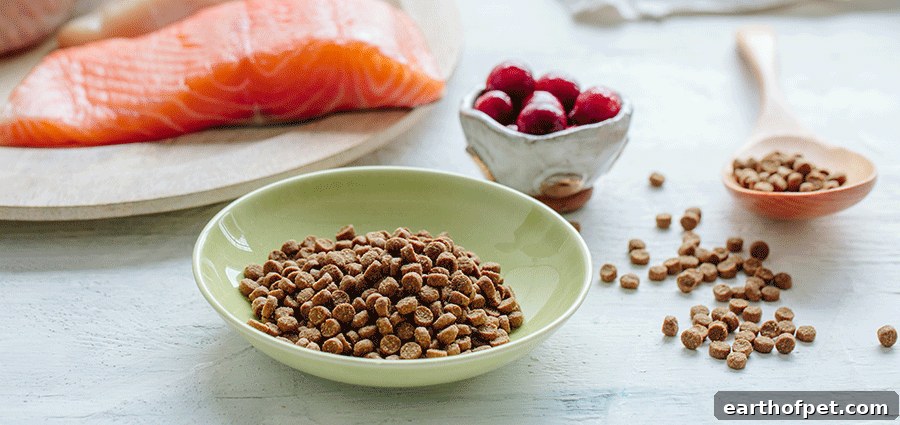
Many pet owners and nutritionists prefer high-quality proteins such as turkey, chicken, or salmon commonly found in freeze-dried options. Protein is essential for growth and maintenance of tissues, supplying amino acids needed for muscles, skin, coat, cartilage, tendons, and ligaments. Beyond nutrition, meat-based freeze-dried foods tend to be highly palatable, appealing to picky eaters and dogs that respond strongly to meat aromas.
What are the benefits of feeding freeze-dried dog food?
Freeze-dried dog food offers several notable benefits:
- Minimally processed: The low-temperature drying preserves ingredient integrity compared with high-heat cooking.
- Improved flavor and smell: The natural aroma of meat often remains intense, increasing palatability.
- Better nutrient retention: Freeze-drying preserves vitamins, minerals, and amino acids more effectively than conventional cooking methods.
How is dog food freeze-dried?
Freeze-drying begins by freezing raw ingredients and then subjecting them to a strong vacuum. Under these conditions, ice sublimates—turning directly from solid to vapor—removing moisture without the prolonged heat of cooking. This gentle process is used in other food products as well, such as instant coffee and snack foods with freeze-dried fruit.
How does freeze-drying impact nutrition?
Compared with cooking or standard dehydration, freeze-drying retains more of the original nutritional content. Protein structure, vitamins, and heat-sensitive nutrients are less degraded, which means freeze-dried products can provide much of the wholesome nutrition present in raw ingredients. However, the final nutritional completeness depends on the specific formulation—whether the food is a complete meal or intended as a topper or mixer.
What types of freeze-dried dog foods are available?
Freeze-dried dog foods range from simple meat treats and single-ingredient bites to toppers and complete, balanced freeze-dried meals. Some products are designed to be mixed with kibble or wet food, while others are formulated to be rehydrated and served as a standalone meal.
Are all freeze-dried dog foods the same?
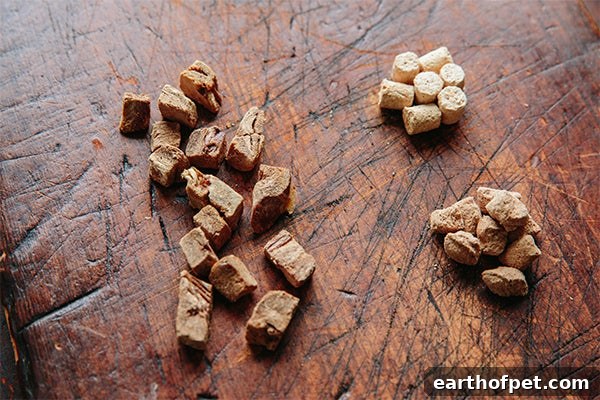
No. While the freeze-drying method is similar across manufacturers, the quality and composition of ingredients vary widely. Premium products typically include recognizable pieces of meat and visible fruits or vegetables. Lower-cost options may use ground mixes formed into nuggets or treats rather than whole cuts of meat. Always read ingredient lists and product labels to understand what you’re feeding your dog.
Safety: what about bacteria in raw meat?
Because some freeze-dried products start with raw meat, safety measures are important. Many reputable brands incorporate an additional safety step—such as High-Pressure Pasteurization (HPP)—before freeze-drying. HPP uses pressure to reduce or eliminate harmful bacteria while preserving ingredient integrity. When choosing a freeze-dried product, check whether the manufacturer describes their safety processes and quality controls.
How can I incorporate freeze-dried food into my dog’s diet?
Completely freeze-dried diets can be expensive and may not be practical for every household. A common approach is to add freeze-dried pieces as a topper or mixer to enhance flavor and boost protein in an existing diet. This can be an effective way to introduce variety and entice picky eaters while keeping the convenience of your regular feeding routine. If you choose to switch your dog from one complete food to another, transition gradually over 3–5 days to reduce the risk of digestive upset.
About freeze-dried meat products in kibble blends
Some manufacturers combine high-protein kibble with pieces of 100% freeze-dried meat distributed throughout the bag. These hybrid formulas deliver the texture and convenience of kibble alongside the rich aroma and nutrient contribution of freeze-dried meat pieces. Such blends can offer a middle ground for owners seeking improved palatability and enhanced protein without fully committing to a raw or all-freeze-dried diet.
When selecting freeze-dried dog food or toppers, prioritize transparent ingredient lists, clear statements about safety processes, and feeding guidelines. If you have concerns about your dog’s specific nutritional needs, consult a veterinarian or a qualified pet nutrition professional to ensure any new food fits your dog’s life stage, activity level, and health status.